Importance of UPS Inverters in 2025
In 2025, uninterrupted electricity has become a daily requirement rather than a backup luxury. With the rise in remote working, increased power cuts, and dependence on home appliances, the demand for reliable power backup is growing fast. A UPS inverter for home price now reflects the rising expectation for smarter, faster, and safer energy solutions. A UPS inverter is a hybrid system combining fast switchover, battery charging, and pure sine wave output to ensure devices like routers, laptops, refrigerators, and even inverter fridges stay on safely. As homeowners search for the right balance between performance and cost, understanding pricing and features is essential. This blog explores the current pricing structure, features to expect in 2025, and the best inverter UPS options across different budgets.
Understanding UPS Inverter Prices in India
UPS inverter pricing varies widely depending on type, brand, features, and capacity. Basic square-wave line-interactive models, such as Eco Watt 650, typically fall in the ₹4,000–₹6,000 range and are ideal for powering bulbs and fans during short outages. Stepping up, pure sine wave hybrid UPS models between 700 to 1,100 VA cost around ₹6,000–₹15,000. These offer a cleaner, ultra pure current output that is safe for sensitive appliances. Popular options in this segment include the Luminous Zolt 1700 at ₹10,149 and the Smarten NOVA HOME 2500VA priced around ₹13,200. For those needing higher wattage for longer duration use or for smart homes, high-end pure sine wave models (1,500–2,500 VA) are available from ₹12,000 to ₹30,000. In terms of recent trends, models like Microtek UPS SW E²+ 1,025 have fluctuated between ₹4,999 and ₹15,900 depending on features and battery configuration. Even as demand increases, brands like Exide, Microtek, and V-Guard have released inverter-only and bundled models with wide voltage range support and display features, keeping competition healthy.
UPS Inverter Price Trends in 2025
The inverter UPS price in 2025 is shaped by increasing competition and changing consumer preferences. Well-known brands such as Luminous, Microtek, Exide, and Smarten have been adding advanced features like DSP control, bypass switches, and LCD displays even in mid-range models. These were once found only in high-end models. The affordable UPS inverter with battery price options are seeing pressure to include smart tech at under ₹10,000. Simultaneously, heavy-duty sine wave inverters in the ₹13,000 to ₹30,000 range are becoming popular for smart homes. Pure sine wave inverters that used to be luxury options are now seen as the baseline requirement, thanks to increasing usage of electronics, TVs, and low-voltage-sensitive appliances.
Price Breakdowns by Category
Under ₹6,000, you can expect compact entry-level units for limited usage. Models such as the Microtek UPS SW E²+ 1,025 priced at ₹4,999 and the Luminous Eco Watt 900 VA square-wave inverter priced between ₹4,800 to ₹5,500 are some of the most searched low price UPS inverter options. These are ideal for basic light and fan setups. In the ₹6,000 to ₹10,000 range, mid-range pure sine wave inverters become available. The Luminous Zolt 1700 at ₹10,149 offers features like IP protection, digital display, and eco-mode. The Exide 850 VA sine wave inverter, available around ₹7,000, includes DSP microprocessor and ultra-fast switchover time below 10 ms. Another efficient option is the V-Guard Prime 1,150 VA priced at ₹6,400. If you’re looking for powerful inverters under ₹20,000, models like Smarten NOVA HOME 2,500 VA at ₹13,200 are strong contenders. Luminous also offers a full inverter and battery combo (900 VA inverter with 120 Ah tall tubular battery) for around ₹19,099—providing long power support and reliability.
What to Buy in 2025: Best UPS Inverter Models by Budget
For buyers with a budget under ₹7,000, the Microtek UPS SW E²+ 1,025 offers pure sine wave output, microcontroller support, and compact size—ideal for single-room power backup. The Luminous Eco Watt 900 VA is a budget square wave model, suitable if you’re seeking the best value under tight budgets. For those willing to invest ₹7,000 to ₹12,000, the Luminous Zolt 1700 is a great all-rounder with a digital display, bypass switch, and 2-year warranty. Exide’s 850 VA model is another trusted option with DSP control and under 10 ms switchover—making it suitable for PCs, routers, and TVs. Above ₹12,000, power users should consider the Smarten NOVA HOME 2,500 VA, which delivers 1.6 kW output silently and reliably. If you’re looking for a plug-and-play battery solution, the Luminous 900 VA + 120 Ah inverter battery combo priced at ₹19,099 is perfect for most Indian homes.
Buying Guide: Key Features to Look For
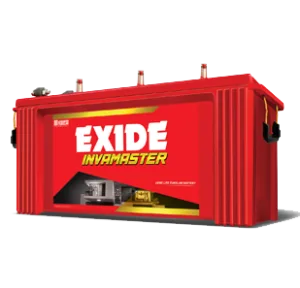
When comparing inverter UPS cost, always begin by understanding your energy needs. The VA rating matters—a 1,000 VA inverter typically gives 600–700 watts of usable power. Pure sine wave inverters are essential if you’re using appliances like refrigerators, TVs, laptops, or anything sensitive to voltage fluctuations. Switchover time is another vital metric. UPS systems generally switch within 2–10 ms, which is fast enough for PCs and routers. Inverters take a bit longer—up to 15 ms—but this is still acceptable for general use. Advanced digital features such as LCD displays, DSP microcontroller chips, overload protection, and eco-mode settings offer more control and efficiency. Also, look for a brand that offers at least a 2–3 year warranty and has a well-distributed service network. Brands like Exide, Luminous, and Amaron are known for offering long battery life and professional support.
Matching the Right UPS Inverter with Your Home Setup
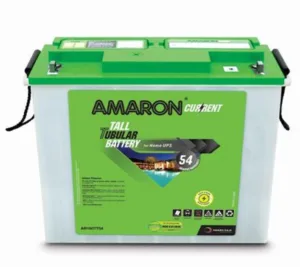
To buy the right inverter for your home, start by calculating your power load. For example, 4 LED bulbs at 9W each use 36W, two fans use about 150W, one router uses 15W, and an LED TV uses roughly 100W—totalling around 300W. Using the formula: Power (Watts) ÷ Power Factor (0.7), you’ll need an inverter of approximately 430 VA. To be future-proof and allow for load expansion, a 600–900 VA inverter works best for basic needs. For homes with larger setups or inverter fridge support, 1,500–2,500 VA is more appropriate. Also, don’t forget the battery. Pair your inverter with the right battery capacity—like a 150 Ah tall tubular battery—for longer runtime and efficiency.
Buying Tips and Seasonal Offers to Save
Timing your purchase can significantly affect cost. The best time to buy an inverter or combo pack is during Diwali, New Year, or Independence Day sales, where offer price deals provide 10–30% discounts. Platforms like Amazon, Flipkart, and IndustryBuying often list exclusive bundle deals and EMI offers. Always know your load requirements and add a 20–30% buffer to your VA calculation to avoid overload. If you’re going for a standalone inverter, ensure you get the correct battery size separately. Alternatively, bundled inverter battery options may cost more but are simpler to install and manage as a package.
Conclusion
Choosing the right UPS inverter in 2025 means matching your backup expectations to your budget and load. Whether you need a simple square wave model for light use or a sine wave UPS for smart home appliances, there’s a product at every price point. A basic setup starts from ₹5,000, a good-quality sine wave model ranges between ₹7,000–₹12,000, and premium heavy-duty units like the Smarten NOVA come at ₹13,000 and above. By understanding pricing trends, features, and your actual power requirements, you can select a trusted brand like Luminous, Exide, Microtek, or Amaron for a reliable backup power experience.
Frequently Asked Questions
What is the average UPS inverter for home price in 2025?
In 2025, the average UPS inverter price ranges between ₹6,000 to ₹15,000 depending on capacity, features, and brand. Basic square-wave models start from ₹4,000, while premium sine-wave inverters go up to ₹30,000.
Which is better: sine wave or square wave inverter for home use?
Pure sine wave inverters are better for home use as they provide clean power output, safe for sensitive appliances like TVs, fridges, and laptops. Square wave inverters are cheaper but suitable only for basic loads.
Does the inverter price include batteries in 2025?
Some models include batteries in combo packs, but most inverters are sold separately. Always check whether the listed price is for the inverter only or a complete inverter with battery price package.
Are Exide and Luminous good brands for home UPS inverters?
Yes, Exide and Luminous are trusted brands offering reliable sine wave inverters and long-lasting batteries. Their models provide efficient backup, fast switchover, and great customer service.
When is the best time to buy a home inverter UPS?
Festival sales like Diwali and New Year are the best times to buy UPS inverters. Retailers often offer bundle discounts, cashback, and EMI options during these periods, making it easier to buy.

Add comment